Comparing types of relay helps engineers select optimal automation solutions
In modern automation systems, the correct selection of relays is critical to ensuring efficiency, reliability, and safety. Understanding the differences between relay types allows engineers to design systems that operate smoothly and minimize downtime.
Importance of Relay Selection in Automation
- Enhanced System Reliability: Choosing the right relay prevents unnecessary failures, ensuring continuous operation.
- Energy Efficiency: Proper relay selection reduces energy losses by optimizing switching operations.
- Safety Assurance: Selecting relays suitable for specific voltage and current ratings reduces risk of electrical hazards.
By comparing relay types, engineers can match system requirements with the right device, improving overall performance. Technicians rely on types of relay for system maintenance.
Common Relay Types and Their Applications
- Electromechanical Relays (EMR)
- Feature a mechanical switch activated by an electromagnetic coil.
- Ideal for high-current switching and applications where visual operation feedback is valuable.
- Reliable for controlling motors, lights, and heating systems.
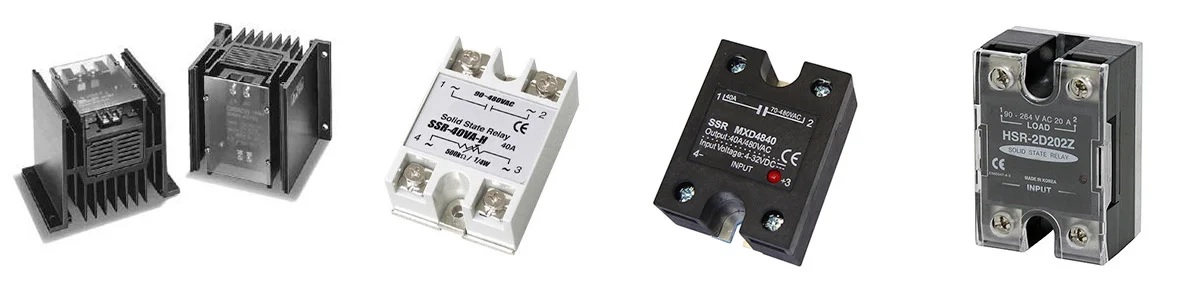
- Solid-State Relays (SSR)
- Use semiconductor components instead of moving parts.
- Offer fast switching, long operational life, and vibration resistance.
- Suitable for applications requiring precise control and minimal maintenance, such as temperature regulation systems.
- Time-Delay Relays
- Provide controlled switching after a preset delay.
- Essential for sequential operations in industrial automation and process control.
- Allow engineers to design timed operations without complex circuitry.
- Overload and Protective Relays
- Detect overcurrent, voltage fluctuations, or abnormal conditions.
- Protect equipment from damage and prolong system life.
- Key for safeguarding motors and sensitive electronic devices.
Factors to Consider When Comparing Relays
- Load Capacity: Ensure the relay can handle the current and voltage demands of the system.
- Switching Speed: Match relay response time to the required operational speed.
- Durability and Lifespan: Consider the mechanical wear or thermal stress for reliable long-term performance.
- Environmental Conditions: Evaluate temperature, humidity, and vibration tolerance for optimal operation.
By systematically comparing these factors, engineers can identify the relay type that best aligns with operational goals.
Benefits of Informed Relay Comparison
- Optimized Automation Design: Selecting the correct relay type streamlines system performance.
- Reduced Maintenance Needs: Appropriate relays lower the frequency of replacements and downtime.
- Cost-Effective Solutions: Efficient relay choices prevent over-specification and minimize unnecessary expenses.
- Enhanced Operational Safety: Using the right relay ensures compliance with safety standards and protects equipment.
Conclusion
Comparing types of relays is a crucial step in designing effective automation solutions. Understanding the capabilities and limitations of each relay type allows engineers to make informed choices that enhance reliability, efficiency, and safety. By investing time in careful relay comparison, automation systems achieve superior performance and long-term operational excellence.