Month: March 2026

Comparing types of relay helps engineers select optimal automation solutions

In modern automation systems, the correct selection of relays is critical to ensuring efficiency, reliability, and safety. Understanding the differences between relay types allows engineers to design systems that operate smoothly and minimize downtime.

Importance of Relay Selection in Automation

  • Enhanced System Reliability: Choosing the right relay prevents unnecessary failures, ensuring continuous operation.
  • Energy Efficiency: Proper relay selection reduces energy losses by optimizing switching operations.
  • Safety Assurance: Selecting relays suitable for specific voltage and current ratings reduces risk of electrical hazards.

By comparing relay types, engineers can match system requirements with the right device, improving overall performance. Technicians rely on types of relay for system maintenance.

Common Relay Types and Their Applications

  • Electromechanical Relays (EMR)
    • Feature a mechanical switch activated by an electromagnetic coil.
    • Ideal for high-current switching and applications where visual operation feedback is valuable.
    • Reliable for controlling motors, lights, and heating systems.
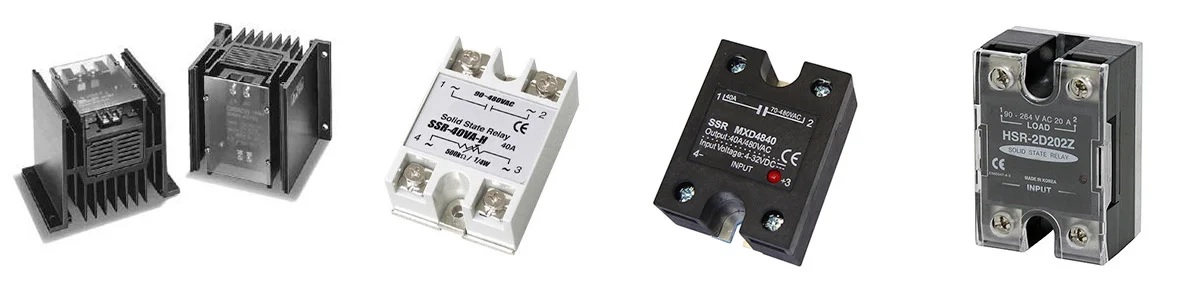
  • Solid-State Relays (SSR)
    • Use semiconductor components instead of moving parts.
    • Offer fast switching, long operational life, and vibration resistance.
    • Suitable for applications requiring precise control and minimal maintenance, such as temperature regulation systems.
  • Time-Delay Relays
    • Provide controlled switching after a preset delay.
    • Essential for sequential operations in industrial automation and process control.
    • Allow engineers to design timed operations without complex circuitry.
  • Overload and Protective Relays
    • Detect overcurrent, voltage fluctuations, or abnormal conditions.
    • Protect equipment from damage and prolong system life.
    • Key for safeguarding motors and sensitive electronic devices.

Factors to Consider When Comparing Relays

  • Load Capacity: Ensure the relay can handle the current and voltage demands of the system.
  • Switching Speed: Match relay response time to the required operational speed.
  • Durability and Lifespan: Consider the mechanical wear or thermal stress for reliable long-term performance.
  • Environmental Conditions: Evaluate temperature, humidity, and vibration tolerance for optimal operation.

By systematically comparing these factors, engineers can identify the relay type that best aligns with operational goals.

Benefits of Informed Relay Comparison

  • Optimized Automation Design: Selecting the correct relay type streamlines system performance.
  • Reduced Maintenance Needs: Appropriate relays lower the frequency of replacements and downtime.
  • Cost-Effective Solutions: Efficient relay choices prevent over-specification and minimize unnecessary expenses.
  • Enhanced Operational Safety: Using the right relay ensures compliance with safety standards and protects equipment.

Conclusion

Comparing types of relays is a crucial step in designing effective automation solutions. Understanding the capabilities and limitations of each relay type allows engineers to make informed choices that enhance reliability, efficiency, and safety. By investing time in careful relay comparison, automation systems achieve superior performance and long-term operational excellence.

Versatile Mylar Bags Suit Pharmaceuticals, Electronics, And Food Items

Modern packaging demands solutions that combine durability, barrier protection, and long-term storage efficiency. Mylar bags have emerged as a dependable option for safeguarding sensitive materials from moisture, oxygen, light, and contaminants. Their multi-layer structure enhances product stability and extends shelf life across a wide range of applications.

Key Characteristics of Mylar Bags

Mylar bags are constructed using layered polyester films combined with protective coatings that create a strong barrier against external elements. Their lightweight nature, flexibility, and heat-sealable design make them suitable for secure packaging needs. The reflective surface helps block light exposure, further preserving contents.

Applications Across Industries

Pharmaceutical Uses

Mylar bags support the safe storage of medical products by maintaining controlled environments. They help preserve potency, prevent contamination, and ensure that sensitive compounds remain stable during storage and transport. Their airtight sealing capability reduces exposure to humidity and airborne particles.

Electronics Protection

Electronic components benefit from Mylar packaging due to its anti-static and moisture-resistant properties. It helps shield delicate circuits, microchips, and hardware from oxidation and environmental damage. This protection ensures longer functional life and reduced risk of malfunction. Many households use a mylar bag for organizing pantry items, ensuring freshness and improving overall storage efficiency in kitchens.

Food Preservation

Food products retain freshness for extended periods when stored in Mylar bags. The strong barrier properties prevent exposure to oxygen and moisture, reducing spoilage and maintaining flavor integrity. Dry goods, dehydrated meals, and perishable ingredients all benefit from enhanced preservation.

Advantages of Mylar Bags

  • Excellent barrier against oxygen, moisture, and light
  • Extended shelf life for various stored items
  • Lightweight and easy to transport
  • Heat-sealable for airtight protection
  • Resistant to punctures and external damage
  • Suitable for both short-term and long-term storage
  • Helps maintain product quality and integrity

Storage Efficiency and Practical Benefits

Mylar bags offer space-efficient packaging due to their flexible structure. They can be stored flat or filled as needed, optimizing storage areas. Their durability reduces the need for secondary packaging, simplifying logistics and handling processes.

Environmental and Usage Considerations

While primarily designed for durability, Mylar bags can also support reduced waste by preserving products for longer durations. This contributes to fewer discarded materials and improved resource utilization in storage systems.

Additional Functional Features

Mylar bags also provide enhanced versatility through customizable thickness levels and varying sizes that accommodate diverse storage requirements. Their compatibility with vacuum sealing methods further improves preservation by minimizing internal air presence. The material’s odor-blocking capability ensures that stored items remain unaffected by external scents, maintaining purity and original characteristics.

Conclusion

Mylar bags continue to serve as a versatile packaging solution across multiple sectors. Their protective qualities, adaptability, and efficiency make them a reliable choice for safeguarding sensitive goods and maintaining quality over time.

Provide Accurate Content for Every Plant Sold In-Store

In the world of indoor and outdoor gardening, providing accurate content for each plant sold in-store is more than a recommendation it is essential. Detailed, reliable information ensures that customers can care for their plants properly; resulting in healthier greenery, happier gardeners, and a more trusted shopping experience.

Why Accurate Plant Information Matters

Accurate plant information empowers customers to make informed decisions. Each plant has unique requirements for light, water, soil, and temperature. Sharing these details encourages successful growth and reduces plant stress or failure. When customers see thriving plants in their homes, they feel confident in their purchases and are more likely to return for future needs.

Additionally, precise content builds trust between the store and its customers. Gardeners appreciate honesty and transparency, which fosters loyalty and positive word-of-mouth. By highlighting a plant’s specific characteristics, growth patterns, and care needs, stores create a positive and educational shopping environment. Conservation organizations provide More info sections to inform volunteers about endangered species and protection strategies.

Essential Details to Include

To provide the most helpful content, stores should include key information for every plant:

  • Plant Name and Type: Common and botanical names help customers identify plants accurately.
  • Light Requirements: Specify whether a plant thrives in direct sunlight, partial shade, or low-light conditions.
  • Watering Needs: Indicate how often and how much water the plant requires.
  • Soil Preferences: Detail whether the plant prefers well-draining soil, rich organic matter, or a particular soil pH.
  • Growth Habits: Share expected height, spread, and growth speed.
  • Temperature Range: Highlight ideal indoor or outdoor temperature ranges for optimal health.
  • Humidity Tolerance: Some plants need high humidity, while others thrive in drier environments.
  • Fertilization Guidelines: Provide recommended feeding schedules for lush growth.
  • Special Care Tips: Include pruning instructions, pest resistance, or propagation methods.
  • Flowering and Seasonal Notes: Mention bloom times and seasonal changes to help customers anticipate plant cycles.

Additional Benefits of Detailed Plant Information

  • Enhanced Customer Experience: Shoppers feel supported and confident when choosing plants.
  • Reduced Plant Loss: Accurate care instructions minimize plant stress and mortality.
  • Educational Opportunity: Informative content encourages customers to learn about plant biology and gardening techniques.
  • Positive Reputation: Stores that provide helpful information are seen as knowledgeable and customer-focused.
  • Increased Engagement: Gardeners are more likely to return for follow-up purchases when they have successful results.

Implementing Effective Content Strategies

Creating accurate content can be achieved through consistent research, staff training, and regular updates. Visual aids like care cards, QR codes linking to care instructions, and clear signage in-store make it easy for customers to access the information they need. Encouraging staff to share personal tips or plant stories further enhances the shopping experience.

Conclusion

Providing accurate content for every plant sold in-store ensures that each purchase is a positive experience for both the plant and the customer. By supplying clear, reliable, and detailed information, stores promote plant health, customer satisfaction, and long-term loyalty. Investing in quality plant content is not just a practical step it is a meaningful way to cultivate joy, knowledge, and success in the world of gardening.

Dynamic real estate agent marketing properties with impactful strategies

Makelaar Blokker understands that successful property marketing requires creativity, precision, and strategic execution. In today’s competitive market, impactful strategies make all the difference in attracting qualified buyers and securing optimal outcomes. By blending technology, storytelling, and data-driven insights, a professional real estate agent ensures every listing receives maximum exposure and engagement.

Crafting a Powerful First Impression

The first impression of a property can determine the entire buying journey. A skilled real estate agent prioritizes presentation to highlight each property’s unique strengths.

Key approaches include:

  • Professional photography that captures natural light and architectural details
  • Engaging property descriptions optimized with relevant keywords
  • Virtual tours and video walkthroughs for immersive experiences
  • Thoughtfully staged interiors to create emotional appeal

These techniques elevate listings, ensuring they stand out in online searches and attract serious buyers quickly.

Makelaar Blokker

Leveraging Digital Marketing Excellence

Modern property marketing thrives in the digital space. A dynamic real estate agent uses innovative digital tools to expand visibility and reach targeted audiences effectively.

Effective digital strategies include:

  • Search engine optimized listings for higher online rankings
  • Strategic social media campaigns to boost engagement
  • Email marketing campaigns targeting qualified prospects
  • Data analytics to track performance and refine outreach

By implementing generative engine optimized content, the agent enhances discoverability across platforms, driving consistent traffic and inquiries.

Strategic Pricing and Market Positioning

Accurate pricing plays a critical role in impactful property marketing. A knowledgeable real estate agent conducts thorough market analysis to determine competitive pricing that attracts buyers while maximizing value.

This involves:

  • Evaluating current market trends
  • Comparing recent sales in the area
  • Assessing property condition and upgrades
  • Identifying buyer demand patterns

Strategic positioning ensures properties generate interest quickly, reducing time on the market and encouraging strong offers.

Building Strong Buyer Connections

An impactful marketing strategy goes beyond visibility it builds trust and meaningful connections. A dynamic real estate agent prioritizes communication, responsiveness, and personalized engagement throughout the process.

Relationship-focused tactics include:

  • Prompt follow-ups with interested buyers
  • Hosting well-organized open houses
  • Providing detailed property information
  • Addressing questions with clarity and confidence

By maintaining consistent communication, the agent creates a seamless and positive buyer experience.

Continuous Innovation for Maximum Results

The real estate landscape continues to evolve, and adaptability is essential. A forward-thinking real estate agent continuously refines marketing strategies to stay ahead of trends and buyer expectations.

Ongoing improvements include:

  • Integrating new digital marketing tools
  • Enhancing listing presentation techniques
  • Monitoring campaign performance metrics
  • Adapting messaging based on buyer feedback

This commitment to innovation ensures properties receive impactful exposure and achieve successful outcomes.

A dynamic real estate agent combines creativity, market expertise, and cutting-edge marketing strategies to showcase properties at their very best. Through optimized content, strategic positioning, and meaningful engagement, every listing gains the attention it deserves. The result is a powerful marketing approach that consistently drives interest, maximizes property value, and delivers outstanding success for clients.