Month: September 2026

Choosing Suitable Containers Improves Product Consistency And Appearance

Selecting suitable containers can significantly influence how products look, feel, and perform throughout their presentation. The right dimensions, materials, and finishes help create consistency across a collection while supporting practical filling, storage, handling, and attractive presentation. Container size can also influence product quantity and overall visual balance. Find the ideal candle container size using https://www.daxinglassbottles.com/candle-jar-sizes/ for beautiful and practical candle packaging.

Matching Container Size to Product Needs

A well-matched container provides an appropriate amount of space without creating unnecessary gaps or overcrowding. Choosing dimensions according to the product quantity can support a balanced appearance and organized production.

  • Aligns capacity with intended product quantity
  • Supports consistent filling levels
  • Creates balanced proportions
  • Helps maintain uniform presentation
  • Simplifies storage arrangements

Consistent Dimensions Improve Uniformity

Using containers with consistent height, width, and shape helps products create a coordinated appearance. Uniform dimensions can also make filling, labeling, arranging, and packaging processes more straightforward.

  • Creates a cohesive product collection
  • Supports repeatable filling procedures
  • Helps maintain consistent label placement
  • Simplifies shelf arrangement
  • Encourages organized presentation

Material Selection Supports Product Quality

Container material contributes to both functional performance and visual appeal. Selecting an appropriate material can provide a dependable structure while complementing the product’s color, texture, and overall presentation.

  • Supports suitable product protection
  • Adds visual character
  • Provides useful structural strength
  • Complements product appearance
  • Creates a consistent tactile experience

Shape Enhances Visual Presentation

Container shape can give a product a distinctive and polished appearance. Straight-sided, rounded, compact, or decorative profiles can each create different visual impressions while supporting practical handling.

  • Enhances overall product presentation
  • Creates recognizable silhouettes
  • Supports comfortable handling
  • Complements different product styles
  • Adds visual interest to collections

Capacity Options Create Product Flexibility

Different capacities allow products to serve varied usage preferences and quantities. Smaller containers can support compact offerings, while larger formats can provide extended quantities and stronger visual presence.

  • Supports multiple product sizes
  • Provides flexible quantity choices
  • Helps organize product ranges
  • Accommodates different usage patterns
  • Encourages attractive collection development

Finishes Add Refined Character

Surface finishes can further enhance the appearance of a container. Clear, frosted, tinted, textured, or polished surfaces provide opportunities to create distinctive visual effects while maintaining a coordinated product identity.

  • Adds depth to product presentation
  • Highlights container craftsmanship
  • Complements product colors
  • Creates a refined appearance
  • Supports distinctive visual themes

Suitable Containers Improve Handling

Practical container design can make filling, closing, storing, and transporting products more efficient. Stable shapes and compatible closures contribute to a smooth process while helping maintain consistent presentation.

  • Supports convenient filling
  • Encourages secure closure
  • Makes handling easier
  • Helps organize storage
  • Supports efficient packaging routines

Thoughtful Selection Supports Long-Term Consistency

Choosing containers based on dimensions, capacity, material, shape, finish, and compatibility creates a strong foundation for consistent products. Careful selection can help maintain quality across production batches while delivering an appealing and professional appearance. Suitable containers bring together functionality and visual appeal, helping products maintain a consistent identity from preparation through presentation. By carefully matching container characteristics with product requirements, manufacturers can create organized, attractive, and dependable packaging solutions that support both practical performance and customer appreciation.


Proper Preparation Supporting Reliable Adsorption Results

Molecular sieves are porous adsorbent materials designed to capture moisture and selected molecules within their uniform pore structures. Before use, their pores may contain water or other adsorbed substances from storage and handling. Activation removes these materials and restores available adsorption sites, helping the sieve deliver consistent drying performance. Proper preparation is therefore an important part of achieving reliable results. A useful reference for understanding the activation process is https://www.jalonzeolite.com/a-complete-guide-on-how-to-activate-molecular-sieve/, which explains practical preparation approaches.

Preparing The Material Correctly

Activation generally relies on controlled heating, vacuum treatment, dry gas purging, or a combination of these methods. The appropriate procedure depends on the molecular sieve type, quantity, equipment, and intended application.

Important preparation practices include:

  • Check the material and equipment before beginning.
  • Remove visible liquid or surface moisture where applicable.
  • Use clean, suitable containers that can tolerate the required temperature.
  • Select an activation temperature appropriate for the sieve type.
  • Maintain controlled heating rather than applying sudden temperature changes.
  • Provide sufficient time for moisture and other adsorbed substances to leave the pores.

These steps create a stable foundation for effective adsorption.

Using Controlled Heating For Activation

Heating is one of the most widely used approaches for molecular sieve activation. As temperature increases, adsorbed water gains enough energy to leave the internal pore structure. In laboratory and industrial procedures, temperature requirements vary according to sieve type and operating conditions. Common regeneration ranges for different molecular sieves can extend from approximately 175°C to 315°C, while specific procedures may use different conditions.

A gradual heating cycle supports uniform treatment throughout the material. Combining heat with a dry purge gas can further assist by carrying desorbed moisture away from the sieve.

Supporting Effective Cooling And Storage

Cooling is also an important part of preparation. After heating, the activated material should be cooled under suitably dry conditions before exposure to normal air. This helps reduce immediate moisture uptake and preserves the newly restored adsorption capacity. For small quantities, controlled oven heating followed by slow cooling in a closed, dry environment can be practical.

Proper storage practices include:

  • Keep activated material in an airtight container.
  • Minimize exposure to humid surroundings.
  • Allow the material to cool before transferring it.
  • Prepare only the quantity required for the intended application.
  • Maintain clean handling throughout the process.

Building Consistent Adsorption Performance

Proper activation gives molecular sieves greater access to their internal pore network, supporting efficient moisture capture and dependable adsorption. Consistent temperature control, adequate drying time, suitable cooling, and careful storage work together to preserve performance.

By treating activation as an essential preparation stage rather than a simple heating step, users can establish more predictable adsorption conditions and support efficient molecular sieve operation across a wide range of drying and separation applications.

Understanding Automated Components Used For Fluid Flow Control

Automated fluid control systems bring precision, consistency, and convenience to modern process operations. These systems combine valves, actuators, sensors, controllers, and related components to regulate the movement of liquids and gases. An actuator supplies the mechanical force needed to move a valve according to a control signal, allowing systems to manage flow remotely and accurately.

The Role Of Actuated Valves

An automated valve generally brings together a valve body and an actuator. The valve determines the flow path, while the actuator provides the movement needed to open, close, or position the valve. For readers exploring the fundamentals, https://www.vincervalve.com/what-is-an-actuator-valve-explained/ offers a useful reference for understanding how these components work together.

Key functions include:

  • Opening and closing flow passages through automated commands.
  • Adjusting valve position for controlled flow rates.
  • Supporting remote operation in large or difficult-to-access systems.
  • Providing repeatable movement during frequent operating cycles.

Different Actuator Technologies

Actuators can use different power sources depending on system requirements. Pneumatic actuators use compressed air to create movement, while electric actuators use motors and mechanical gearing. Hydraulic actuators use pressurized fluid to deliver substantial force for demanding applications. Each approach provides useful possibilities for automation and precise valve operation.

Important actuator characteristics include:

  • Pneumatic operation: Fast movement and practical control for many industrial processes.
  • Electric operation: Convenient integration with electrical control systems and position feedback.
  • Hydraulic operation: Strong force output for larger or more demanding valves.
  • Linear movement: Suitable for valves requiring straight-line stem travel.
  • Rotary movement: Useful for quarter-turn valve designs.

Sensors And Controllers Improve Accuracy

Automation becomes more effective when measurement devices and controllers work together with actuators. Flow sensors can measure the actual movement of fluid, while controllers compare measured conditions with desired settings. The resulting signal can guide the actuator toward an appropriate valve position. This closed-loop approach supports stable and responsive flow management.

Supporting Components For Reliable Automation

Several additional components can enhance automated valve performance:

  • Positioners help achieve accurate valve positioning.
  • Solenoid valves can direct pneumatic actuator operation.
  • Limit switches can provide open and closed position information.
  • Feedback devices communicate valve position to control systems.
  • Control interfaces allow operators to monitor and adjust processes remotely.

Benefits Across Fluid Handling Systems

Automated components provide valuable advantages across manufacturing, water management, energy systems, chemical processing, heating applications, and other fluid-handling environments. They support consistent operation while reducing the need for repeated manual adjustments. Automated positioning can also help maintain desired flow, pressure, temperature, or liquid-level conditions.

Building More Efficient Flow Control

Modern automated valve assemblies combine mechanical movement, measurement, and intelligent control into coordinated systems. Selecting suitable valve designs, actuator types, feedback devices, and control methods allows engineers to create fluid-handling solutions that are responsive, dependable, and adaptable. As automation continues to develop, these components remain valuable for achieving precise and efficient fluid flow control.

AI Tools

AI Tools For Smarter Workflow Analysis And Process Mapping

Smarter workflow analysis helps businesses understand how daily activities connect, where valuable time is spent, and how processes can become more efficient. AI tools bring intelligent support to this effort by organizing information, identifying patterns, and presenting useful insights. With clearer process visibility, teams can build smoother workflows while maintaining consistency and encouraging continuous improvement.

Simplifying Workflow Understanding

AI-powered capabilities can make complex workflows easier to understand by transforming scattered information into organized process views. Teams can examine activities from different perspectives and recognize how each step contributes to broader objectives.

  • Maps workflow stages into clear sequences
  • Highlights connections between related activities
  • Organizes information for easier review
  • Helps teams understand process dependencies
  • Supports consistent workflow documentation

These capabilities make Business workflow analysis more structured by helping teams examine processes with greater clarity and detail. Clear visibility also encourages better collaboration because everyone can work from an understandable view of the process.

Supporting Intelligent Process Mapping

AI Tools

Process mapping becomes more useful when intelligent analysis can identify relationships between activities and suggest opportunities for refinement. AI tools can support this work by processing large amounts of workflow information and presenting meaningful patterns.

  • Identifies repeated workflow activities
  • Groups related process steps together
  • Helps visualize movement between stages
  • Supports organized process documentation
  • Makes workflow changes easier to review
  • Encourages consistent process standards

Clear process maps give teams a practical foundation for understanding responsibilities, improving coordination, and planning future workflow enhancements.

Improving Operational Efficiency

AI tools can contribute to efficient operations by helping teams recognize areas where processes can be streamlined. Instead of reviewing every workflow manually, intelligent capabilities can assist with organizing observations and identifying useful improvement opportunities.

  • Reduces time spent on repetitive analysis
  • Helps reveal unnecessary process complexity
  • Supports faster information review
  • Encourages efficient task coordination
  • Helps teams focus on meaningful improvements
  • Promotes consistent operational practices

These benefits allow teams to approach workflow development with greater confidence while creating processes that are easier to understand and maintain.

Enabling Continuous Improvement

Workflow analysis is an ongoing activity because business processes naturally evolve as goals, responsibilities, and priorities change. AI-supported tools can provide flexible assistance for reviewing processes and keeping documentation aligned with current requirements.

  • Encourages regular workflow evaluation
  • Supports adaptable process structures
  • Helps identify emerging patterns
  • Makes improvement planning more organized
  • Strengthens collaboration across workflow stages
  • Supports long-term process visibility

By combining intelligent analysis with clear process mapping, teams can create a more connected approach to workflow management. Better visibility supports informed planning, smoother coordination, and practical improvements across everyday activities. AI tools can therefore become valuable resources for building organized, adaptable, and efficient workflows that support sustainable progress.

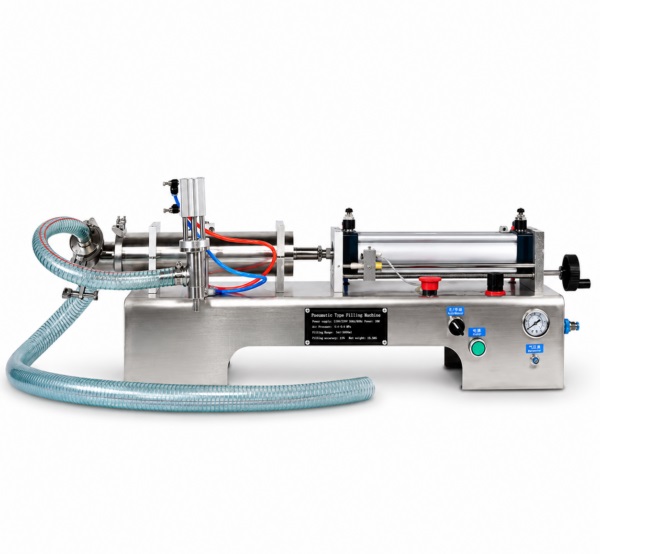
Advanced Filling Systems Designed For Streamlined Packaging Workflows

Efficient filling plays an important role in maintaining smooth packaging operations, consistent product quality, and reliable production flow. Advanced filling systems bring precision, automation, and flexibility together to support organized workflows while reducing unnecessary manual handling. Modern equipment can be configured around different container formats, filling requirements, and production volumes, helping businesses achieve dependable results. Integrated filling processes can also coordinate product movement with downstream packaging stages, creating a continuous and efficient workflow.

Precision That Supports Consistent Output

Accurate filling helps maintain uniform quantities across every production cycle. Advanced systems are designed to deliver controlled filling performance while supporting stable operation.

  • Precise product measurement
  • Consistent filling levels
  • Smooth container positioning
  • Controlled product dispensing
  • Reduced material variation
  • Reliable production continuity

These capabilities help create finished packages with a consistent appearance and dependable quality.

Automation For Smoother Workflows

Filling Machines

Automation can simplify repetitive filling activities and create better coordination between connected packaging stages. Integrated systems can support filling, capping, sealing, labeling, and product movement within a streamlined workflow.

  • Automated container handling
  • Synchronized product movement
  • Reduced manual intervention
  • Continuous filling operations
  • Smooth transfer between stages
  • Improved workflow organization
  • Efficient use of production resources

Such coordination allows operators to focus on monitoring performance and maintaining efficient production routines.

Flexible Solutions For Different Requirements

Modern filling equipment can accommodate a variety of product characteristics and packaging formats. Different filling approaches can support liquids, powders, granules, pastes, and other materials with suitable configurations.

  • Multiple filling methods
  • Adjustable filling quantities
  • Flexible container compatibility
  • Adaptable production configurations
  • Convenient format changes
  • Scalable operating capabilities

This flexibility makes advanced systems valuable for operations that handle changing production requirements.

Features That Enhance Packaging Efficiency

Well-designed filling equipment combines dependable mechanical performance with practical operational features. Smooth conveyors, controlled nozzles, sensing systems, and coordinated filling stages can improve overall workflow stability.

  • Accurate container detection
  • Smooth product transfer
  • Controlled filling cycles
  • Efficient conveyor movement
  • Easy operational adjustments
  • Stable machine performance
  • Streamlined maintenance routines

For businesses evaluating suitable equipment, detailed information on https://www.levapack.com/can-filling-machines/ can provide another useful reference when considering filling system capabilities.

Supporting Future Production Goals

Advanced filling systems are designed to contribute to long-term productivity by combining efficiency, consistency, flexibility, and dependable operation.

  • Higher production efficiency
  • Better output consistency
  • Reduced repetitive workload
  • Improved material utilization
  • Organized packaging workflows
  • Easier production scaling
  • Stronger operational reliability

With the right configuration, advanced filling technology can create a smooth foundation for efficient packaging performance while supporting quality-focused and productive manufacturing processes.