Affordable Holiday Cruise Bookings Are Weirdly Good Right Now
Cruises didn’t suddenly get “cheap” out of kindness. The math changed. Bigger ships are sailing full schedules again, operators are fighting harder for bookings, and you, if you’re even a little flexible, can snag holiday itineraries that would’ve looked unrealistic a couple of years ago.
And yes, you can absolutely overpay if you book on autopilot.
One-line truth: the best cruise deal is usually the one you can pivot into quickly.
The real reason prices loosened up
Capacity is the quiet lever here. When more berths hit the market, cruise lines have to protect occupancy, not just margins. That’s why you’re seeing more cabin categories, more “value fares,” and more promos that actually include something useful instead of a marketing sticker. For travelers comparing affordable holiday cruise bookings, that shift in supply can create real opportunities.
A specific data point, because hand-waving is easy: Cruise Lines International Association reported global cruise capacity reached about 31.7 million passengers in 2023 (CLIA, State of the Cruise Industry 2024), which is basically a big neon sign that supply is back in force.
Now, this won’t apply to everyone, but if you’re targeting peak holiday weeks (Christmas/New Year’s), the discount window is narrower. Still, the shoulder days around those weeks can be shockingly workable.
Hot take: “Affordable” doesn’t mean low fare. It means low total cost.
I’ve seen people brag about a $499 cruise and then quietly spend $900 onboard because they didn’t price out gratuities, Wi‑Fi, drinks, specialty dining, and port spending. That’s not a deal. That’s a budgeting faceplant.
So I evaluate cruise affordability like a systems problem:
– Base fare
– Port fees/taxes
– Gratuities (prepaid vs daily)
– Beverage and dining reality (not fantasy)
– Wi‑Fi needs (one device? two? streaming?)
– Transportation to the port
– Cancellation and change penalties
If a “higher” fare includes the stuff you’d buy anyway, it can be the cheaper vacation. Annoying, but true.
Dynamic pricing: the part that feels like airfare (because it kind of is)
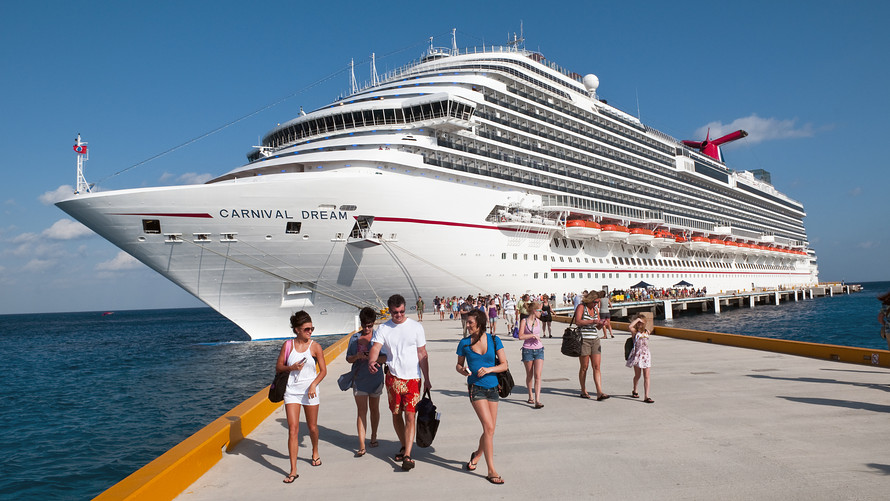
Cruise pricing is increasingly demand-responsive. Inventory shrinks, prices jump. Bookings stall, promos appear. The same cabin type on the same sailing can move around more than people expect.
Here’s the thing: dynamic pricing rewards flexibility, not loyalty. Loyalty helps too, but flexibility is the cheat code.
What actually works in practice:
– Track the sailing for a week or two and screenshot prices (old-school, but effective)
– Set fare alerts on major cruise search sites and the line’s own site
– Watch for “price drop” policies if you book early (some fares are protected, many aren’t)
– Consider “guarantee” cabins if you don’t care about exact location (but read the terms)
Last-minute deals can be real, especially for interior cabins and less trendy itineraries. The catch is airfare. If flying to the port gets expensive near departure, it can erase the cruise discount fast.
Inclusive deals: great when they’re specific, terrible when they’re vague
Some “all-in” packages are genuinely strong value. Others are just bundled spending you didn’t need.
Look for clean language. Not hype.
What I want to see spelled out
– Are gratuities included or merely “discounted”?
– Beverage package: full, limited, or only at lunch (yes, that happens)
– Wi‑Fi: minutes, one device, or unlimited?
– Onboard credit: per cabin or per person, and does it exclude daily service charges?
– Excursions: any included, or just a “shore credit” that covers half a bus tour?
And don’t ignore blackout-style restrictions that hide inside “eligible sailings” wording (holiday itineraries sometimes get quietly excluded).
One tiny opinion: “Free upgrades” are often marketing fluff unless you can see the before-and-after category in writing.
Midweek departures and flexible itineraries: the underrated money-saver
Want a practical lever you can pull without becoming a spreadsheet monk?
Shift the departure day.
Midweek sailings often price softer because vacation calendars (and flight demand) cluster around weekends. If you can sail Tuesday instead of Saturday, you may see better cabin selection, fewer surge-y add-ons, and less of that chaotic embarkation-day energy.
Flexible itineraries help too. The Caribbean is the obvious example: similar vibes, multiple port combinations, wildly different prices depending on ship and day.
Sometimes a two-day shift buys you a balcony.
Sometimes it buys you a suite with perks.
Sometimes it buys you nothing, and you go back to the drawing board. That’s cruising.
Loyalty perks and booking channels: stack value, don’t double-pay
People get weirdly ideological about booking direct versus using a travel advisor or portal. I’m not. I’m results-driven.
In my experience, the sweet spot is this: price the cruise line directly, then price a reputable advisor/portal that can add perks without raising the fare.
What “good stacking” looks like:
– Same cabin category and fare code
– Added onboard credit from the agency
– Loyalty benefits still apply (make sure your loyalty number is attached)
– Better deposit terms or easier changes (sometimes)
Travel insurance? Get it if you need it, skip it if you don’t. The only hard rule I stick to is: if losing the trip cost would hurt, insure it. If it wouldn’t, don’t let fear upsell you.
A quick checklist (because you’ll forget one thing otherwise)
Use this when you’re comparing two cruises that look “similar”:
– Total out-the-door price (fare + taxes/fees + gratuities)
– Cabin category and location tradeoffs (guarantee vs assigned)
– What’s truly included: drinks, Wi‑Fi, dining, excursions, transfers
– Cancellation/change terms (especially on “sale” fares)
– Port days and time-in-port (short stops can reduce excursion value)
– Getting to the port: flight timing, hotel night needed, transfers
– Upgrade paths: paid upgrades, bids, or promo-category jumps
If you can’t explain why one option is better in two sentences, you don’t understand the difference yet. Give it another pass.
One last thing (and then I’ll stop)
Affordable holiday cruising isn’t magic. It’s timing, capacity, and a willingness to be slightly inconvenient in exchange for real savings. Book the trip you’ll actually take, not the fantasy version where you “won’t drink that much” and “won’t need Wi‑Fi.”
That’s where the money goes.