Safe Alternatives to Stitches for Treating Minor Cuts
Minor cuts are common during cooking, gardening, cleaning, or simple daily activities. While deeper wounds may require professional attention, many small cuts can heal safely at home with the right care. Using gentle and practical alternatives to stitches can support healing, reduce discomfort, and help protect the skin from further irritation.
Clean the Cut Properly First
Before using any alternative closure method, keeping the area clean is essential.
- Wash hands thoroughly before touching the wound
- Rinse the cut gently with clean water
- Remove visible dirt carefully using a soft cloth
- Pat the area dry with a clean towel
- Avoid rubbing the skin aggressively
Proper cleaning lowers the chance of irritation and supports faster recovery.
Use Adhesive Wound Strips
Adhesive wound strips are one of the most common alternatives for small cuts with slightly separated edges.
Benefits of Wound Strips
- Help keep the skin edges together
- Support natural healing
- Reduce movement around the cut
- Easy to apply and remove
- Comfortable for small injuries
Helpful Tips
- Apply only on dry skin
- Place strips across the cut, not along it
- Leave small gaps between strips for airflow
- Replace them if they become wet or loose
These strips work best for shallow cuts that are not heavily bleeding.
Try Medical Skin Adhesive
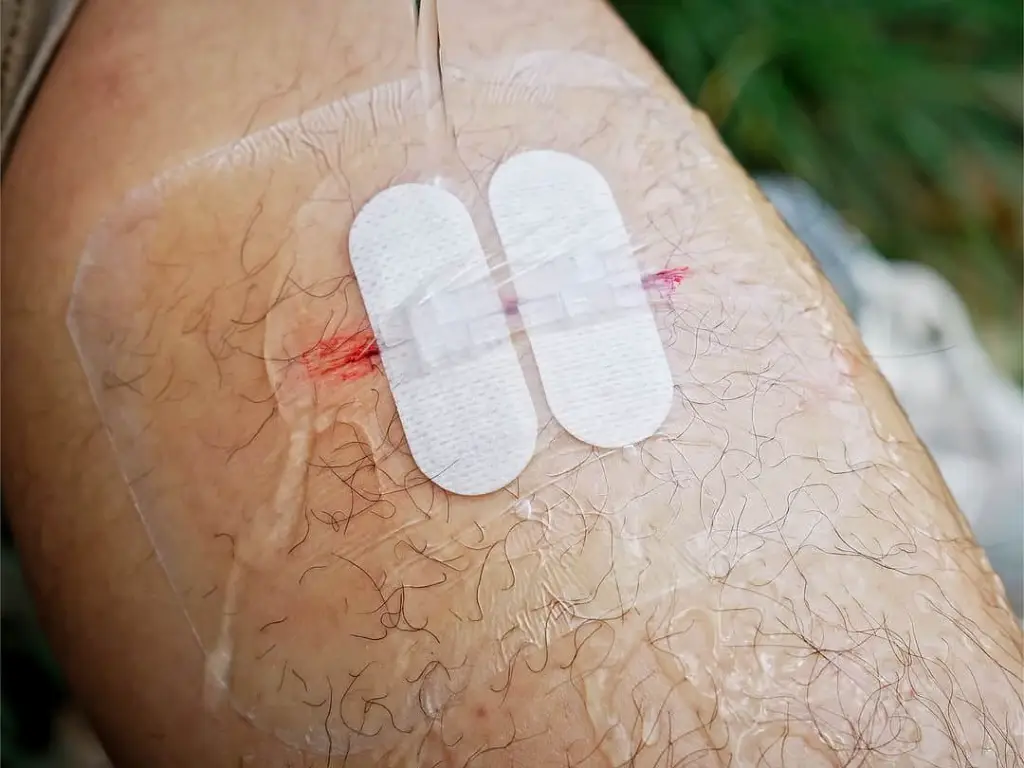
Skin adhesive can help close how to close a cut without stitches tiny cuts without the need for stitches. It forms a protective layer over the wound while holding the skin together.
Advantages of Skin Adhesive
- Quick and simple to use
- Helps protect against outside dirt
- Allows comfortable movement
- Often painless during application
- Can naturally wear away over time
This method is suitable for clean and straight cuts that are not too deep.
Protective Bandages Can Support Healing
For very small cuts, a clean protective covering may be enough to encourage safe healing.
Good Practices
- Keep the wound lightly covered
- Change dressings daily
- Allow airflow when appropriate
- Keep the area dry and clean
- Watch for signs of healthy healing
Bandages help shield the skin from friction and accidental contact.
Natural Pressure Helps Stop Minor Bleeding
Gentle pressure is a simple and effective step before closing a cut.
- Use a clean cloth or sterile pad
- Apply steady pressure for several minutes
- Elevate the injured area if possible
- Stay calm and avoid checking the cut repeatedly
Once bleeding slows, other wound care methods become more effective.
Support Faster Recovery at Home
Healthy habits can improve the healing process naturally.
Simple Recovery Tips
- Drink enough water
- Eat nutritious foods rich in vitamins
- Avoid scratching the healing skin
- Rest the affected area when possible
- Keep the wound protected from dirt
Consistent care often leads to smoother healing and less visible marks.
Know When Extra Care May Be Needed
Although many small cuts heal well at home, some situations require additional attention.
Seek medical help if:
- Bleeding does not stop
- The cut is very deep
- Skin edges stay widely open
- Swelling or redness increases
- Movement becomes difficult
Paying attention to these warning signs can help prevent complications.
Safe alternatives to stitches can work well for treating minor cuts when used carefully and correctly. Clean wound care, proper protection, and simple closure methods often support natural healing comfortably at home. With patience and good hygiene, many small injuries can recover smoothly while keeping the skin protected and healthy.